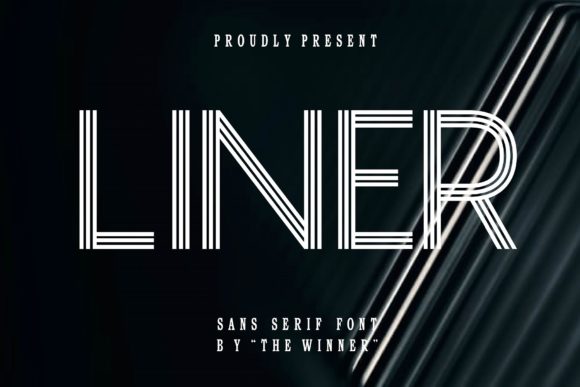
Liner: A Striped Sans Serif Font for Makers
The afternoon light was just right as I sat down to finalize the labels for my new batch of lavender and sage candles. I had the wax poured, the jars cleaned, and the packaging ready, but the typography felt off. The standard Sans Serif options in my design software looked too sterile, while the decorative scripts were too fussy for a clean, modern aesthetic. That is when I discovered Liner, a striped sans serif font that instantly transformed my workspace from a cluttered craft table into a professional studio. It wasn't just another typeface; it was the missing piece that made my product labels pop with personality and sophistication.
Liner for Modern Product Packaging and Branding
When you are building a brand identity, the choice of Fonts can make or break how your customers perceive your handmade goods. Introducing Liner, a striped sans serif font, offers a unique visual texture that stands out on any surface without screaming for attention. As I applied Liner to my candle jars, the subtle stripes within the letters added a layer of depth that plain text simply could not achieve. This display font works exceptionally well for branding because it feels both contemporary and timeless. Whether you are designing boutique tags, wrapping paper patterns, or the primary logo for your shop, this creative font ensures your brand looks polished and intentional. The striped detail catches the eye immediately, making your packaging feel premium even before a customer reads the words.
Creating Cohesive Labels with Liner Typography
For makers who sell physical products, consistency across all materials is key to building trust. Using Liner for product packaging allows you to maintain a distinct visual voice across different items in your inventory. I tested the font on small round stickers for lip balm tins and larger rectangular labels for soap bars, and the result was stunningly consistent. The structure of the letters remains clear and legible even at smaller sizes, which is crucial for compliance labels and ingredient lists. When paired with a simple handwritten font for the "handmade" tagline, Liner creates a perfect balance between structured professionalism and personal warmth. This combination is ideal for anyone looking to elevate their stationery designs or create a unified look for their online store listings.
Liner for Wedding Invitations and Elegant Stationery
Designing wedding invitations requires a delicate touch where every element must convey elegance and joy. While many designers reach for traditional serif fonts, using a modern Sans Serif like Liner can bring a fresh, chic vibe to contemporary weddings. I recently sketched out a mockup for a minimalist wedding suite, using Liner for the couple's names and the event details. The striped effect adds a sophisticated pattern that mimics high-end embossing or foil stamping, even in a flat digital print. This makes it an excellent choice for DIY printable invitations, welcome signs, and seating charts. The font's clean lines ensure readability, while the internal striping provides enough visual interest to keep the design from feeling too plain. It is a versatile tool for invitation designers who want to offer something unique to their clients.
Designing Seasonal Greeting Cards with Style
Holiday seasons are the busiest time for many handmade sellers, and having a go-to font for seasonal projects is essential. Liner shines when used for holiday tags, Christmas cards, and Valentine's Day notes. The geometric nature of the stripes complements festive shapes and patterns beautifully. I found that pairing Liner with bold colors created a striking contrast that felt celebratory yet refined. For example, using deep navy ink with white Liner text on kraft paper gave my holiday gift tags a nautical, rustic charm. Because the font is designed with clarity in mind, it works perfectly for short phrases, dates, and names, which are common elements in greeting card design. This makes it a reliable asset for creators who produce digital downloads or physical card collections.
Liner for T-Shirts, Posters, and Wall Art
Merchandise and home decor often rely on strong, impactful typography to communicate a message quickly. If you are creating quote posters, motivational wall art, or custom t-shirts, Liner provides the bold presence needed to grab attention. The striped detail adds a graphic quality that translates well onto fabric and large-format prints. I experimented with printing Liner on tote bags and mugs, and the design held up beautifully under heat transfer. The font's structure prevents the text from becoming muddy, even when printed in vibrant colors or on textured surfaces. For creators focusing on social media graphics or Instagram templates, this font helps posts stand out in a crowded feed. It is particularly effective for modern interior design themes, farmhouse signs, and urban streetwear aesthetics.
Optimizing Liner for Cutting Machines and Stickers
Crafters using Cricut or Silhouette machines know that not all fonts cut cleanly, especially those with intricate details. One of the best features of Liner is its compatibility with cutting software while maintaining its unique striped character. When preparing SVG files for sticker sheets, the internal lines of the font remain crisp, ensuring a clean cut every time. However, it is important to consider the size of your project; for very small stickers, you might want to simplify the design or use a solid version if available. For larger vinyl decals, bumper stickers, or window clings, the full striped effect adds a professional finish that elevates your craft business. Always test a small sample before committing to a full batch to ensure the lines are thick enough for your specific machine settings.
Pairing Liner with Other Fonts for Maximum Impact
To truly master design, understanding how to pair Fonts is just as important as choosing the right one. Liner pairs wonderfully with a variety of other typefaces to create dynamic compositions. For a soft, romantic look, combine it with a flowing script font for headings and body text. If you need a more industrial or edgy feel, pair Liner with a heavy, blocky sans serif or a bold display font. In editorial design, using Liner for pull quotes alongside a neutral serif font for the main article creates a beautiful hierarchy. This versatility makes it a staple in any designer's toolkit, suitable for everything from blog headers to magazine layouts. Remember to check the included styles, alternates, and ligatures to see how they interact with your chosen companion fonts.
Commercial Licensing and Professional Use
Before launching your next collection of digital printables or physical merchandise, always verify the commercial font licensing for Liner. As a maker, protecting your business and respecting intellectual property is paramount. Ensure that the license covers the types of products you plan to sell, whether that includes t-shirts, packaging, logos, or digital downloads. Many premium fonts come with robust licenses that allow for unlimited end products, but it is always wise to double-check the terms. Having a clear understanding of what you can and cannot do gives you the confidence to scale your business without legal worries. With the right license, Liner becomes a powerful asset that supports your growth and creativity.
From the first label I designed to the final poster hanging in my studio, Liner has proven to be more than just a font; it is a creative partner. Its ability to blend modern structure with playful detail makes it perfect for branding, product packaging, invitations, quotes, t-shirts, labels, posters, or any logo you want to develop. Whether you are a seasoned Etsy seller or a hobbyist just starting out, incorporating this striped sans serif font into your workflow will add a touch of professional polish to every project you create. Make all your design projects shine with the unique charm and versatility of Liner today.